Local Greenery for Bellevue Gardens
Creating a healthy garden in Bellevue WA means working sustainably with the unique conditions of USDA hardiness zone 8 and the Pacific Northwest’s moist climate. From mapping edible garden layouts to selecting drought-tolerant plants Washington thrives, every choice impacts your landscape’s functionality.
- Add Pacific Northwest native species for eco-friendly landscaping
- Collaborate with a landscape architect Bellevue or King County Master Gardeners for expert garden design ideas
- Install irrigation system design and mulching services to support water conservation landscaping
Whether you're pursuing organic gardening, building outdoor living spaces, or scheduling a garden renovation, professional garden maintenance services and soil amendment can enhance your Bellevue WA landscaping vision into reality.
Navigating the Bellevue Climate and Soil Profile

Local Planting Zones
Bellevue sits firmly within coastal zone 8, meaning that winter lows rarely dip below 12°F, enabling a broad range of hardy plants to survive. Gardeners in Bellevue can experiment with both tender exotics and cold-adapted natives year after year. Partnering with a certified arborist ensures your planting aligns with regional temperature swings.
Land Assessment for Yard Projects
Accurate soil testing is the first step in any productive garden design in Bellevue WA landscaping. Most local soils are clay-heavy, demanding targeted compost integration to support root growth. Landscape professionals offer accessible testing kits or services. Using data, you can improve texture for peak plant yield.
- Revitalize soil with compost from certified sources
- Analyze every few growing seasons to monitor nutrient levels
Microclimates in Local Properties
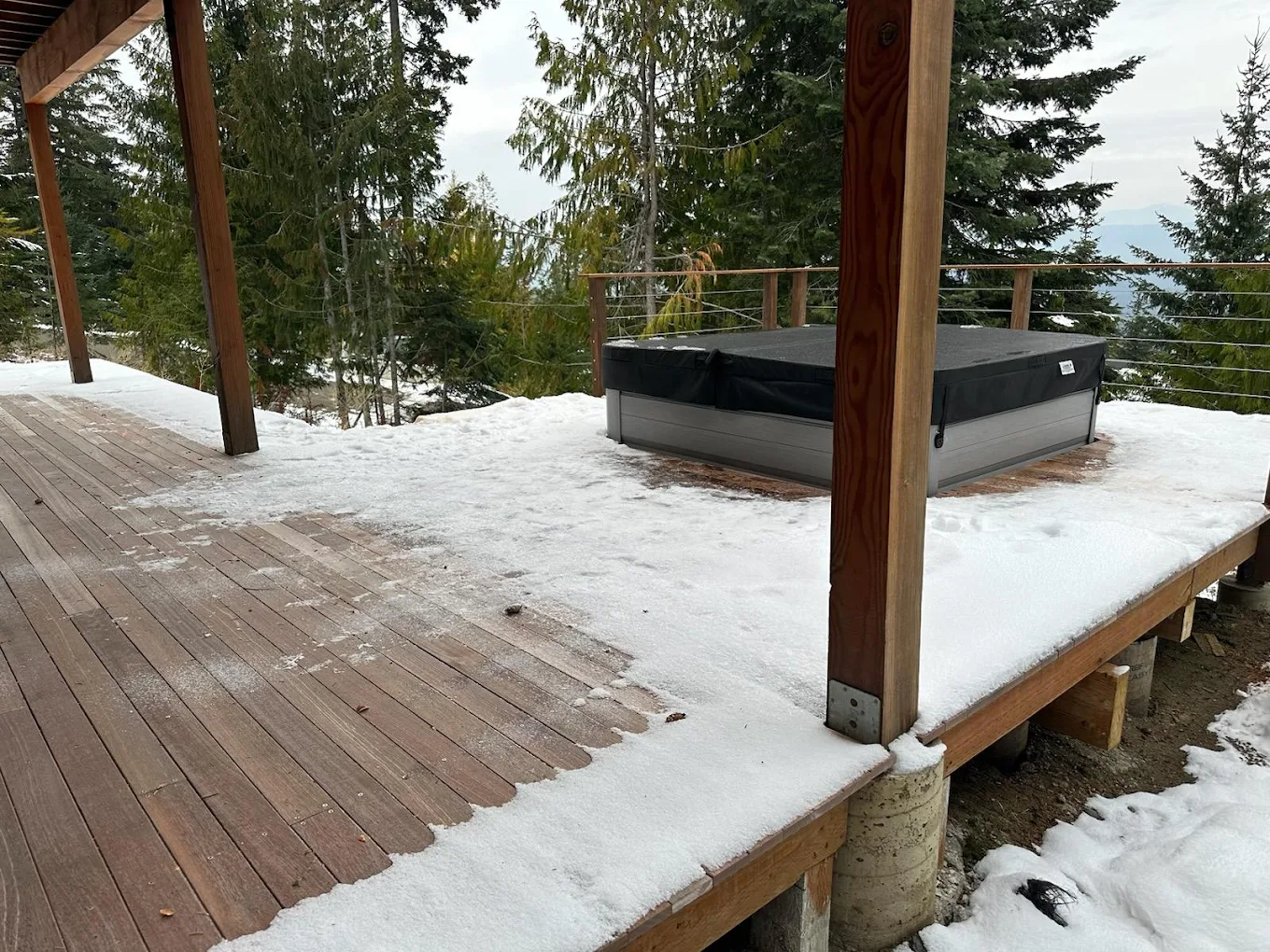
Even within a single plot, microclimates can change drastically due to trees, slope, and daylight hours. A north-facing nook may behave like zone 7, while a warm wall creates zone 9 growing potential. Strategic plant placement uses these zones for longer planting options. Observing where frost lingers or heat collects helps improve your container gardening.
Top Species for Heavy Clay Conditions
With Bellevue’s wet winters, identifying plants that endure wet soil is smart for low-maintenance landscaping. Bioswales are proven solutions that also support eco-friendly practices. Regional perennials like red twig dogwood, western sword fern, and Joe-Pye weed adapt in these conditions. Integrating them with irrigation adjustments prevents root rot and accelerates plant health.
- Design a bioswale using flood-adapted flora
- Fix poor drainage with french drains from a grading pro
Landscape Design Solutions for WA Homes
Bespoke Outdoor Schematics
Licensed garden designer can reimagine your space with custom construction drawings. These thorough plans include hardscape placement and timeline. Whether starting from scratch or undergoing a garden renovation, a intelligent design prevents costly errors. Work with a local firm to align your vision with Bellevue WA landscaping.
- Get a fully rendered plan with cost breakdown
- Integrate garden paths based on your goals
Environmentally Sound Landscape Architects
Choosing a eco-conscious design professional ensures your project supports long-term outcomes. These experts specialize in native plant integration and pollinator corridors. They often collaborate with mulching services to source regional materials. From rainwater harvesting, every element cuts environmental burden.
Limited Space Yard Designs
For townhomes, efficient design strategy is vital. Enhance vertical space with living walls and combine edible plants in tiered planters. Stepping stones should be space-saving to preserve planting area. A creative garden designer can create hidden potential in even the most cramped outdoor space.
- Install vertical planters for production
- Opt for compact features like hidden planters
Outdoor Living Connection
Today’s Bellevue gardens go beyond planting—they’re inviting family areas. Natural integration between house and yard involves decks and sound systems. A well-designed space supports daily use, whether for dining. Combine these elements with native plants to blend comfort.
Local and Drought-Tolerant Greenery for Northwest Landscapes
Leading Indigenous Species for WA
Planting Pacific Northwest native species is a effective move for any Bellevue garden. These perennials are adapted to rain patterns, requiring lower pruning. informative post Popular choices include salal, Oregon grape, red flowering currant, and camas—each attracting native wildlife. Support King County Master Gardeners to source authentic, ethical stock.
- Replace non-native species with regional grasses
- Build a ecologically balanced garden using indigenous mixes
Minimal Effort Outdoor Establishment
DIY homeowners love self-sufficient gardens that appear beautiful with minimal effort. Use slow-spreading species and cluster plants by sun needs to reduce care. Weed barriers dramatically reduce fertilizing. Combine these with edible perennials for a thriving yard.
Wildlife-Supporting Outdoor Layouts
Supporting declining bees starts in your own landscape. Shape your garden with a continuous bloom sequence using flowering shrubs. Eliminate pesticides and include host plants like milkweed and yarrow. Boost habitat with brush piles—small touches that deliver a measurable ecological impact.
- Add a assortment of flower shapes to attract diverse moths
- Preserve some natural debris over winter for shelter
Water-Wise Outdoor Approaches
Even in rainy Bellevue, modern drought resilience is wise. Use an drip network to apply water only where needed. Select native grasses that establish with no summer watering. Link this with permeable hardscaping for a eco-friendly landscape that persists through dry spells.
Year-Round Garden Planning in Bellevue WA
Spring Planting Calendar for Bellevue Gardens
Kickstarting your outdoor space in King County means aligning your establishing with USDA hardiness zone 8. Frost-tolerant crops like peas thrive when planted in just after last frost, while raised garden beds benefit from soil amendment before adding drought-tolerant plants.
- Initiate seeds indoors 6–8 weeks before last frost
- Incorporate irrigation system design early for sustainable gardening
- Shop at native plant suppliers for regionally adapted stock
Fall Cleanup and Earth Prep
Once summer fades, smart garden prep sets the foundation for future harvest. Clear out diseased foliage to reduce pests, and layer shredded leaves to enrich soil. This is also the optimal window to establish dormant perennials and upgrade drainage solutions if needed.
Winter-Hardy Plant Choices
Through Bellevue’s coolest months, your landscape can maintain interest with wisely chosen plants. Structural grasses like heuchera offer lasting aesthetic value, while cold-season types such as snowdrops inject unexpected color. Pairing these with sustainable landscaping ensures survivability through wet winters.
Year-Round Color Designs
Achieving a garden that inspires in each seasons requires orchestrating foliage textures. Blend early-spring species to guarantee constant aesthetic drama. Incorporate evergreen foliage for dormant appeal, and accent with landscape lighting for added uniqueness.
- Use hellebore for winter blooms
- Select shrubs with colorful bark
- Design plants by height and bloom cycle for seamless transitions
Hardscaping and Functional Details
Decks and Walkway Styling
Crafting outdoor living spaces and garden path ideas transforms your Bellevue WA landscaping into a functional extension of your home. Choose materials like recycled brick to match the local aesthetic while ensuring durability. Meandering paths guide exploration, while level surfaces support Bellevue’s rainy climate with ease.
- Add permeable pavers for stormwater management
- Design paths at least 3–4 feet wide for comfortable walkability
Garden Glow Integration
Thoughtful light placement extends the enjoyment of your outdoor living spaces far beyond daylight. Add uplights to emphasize specimen trees, while ensuring ambiance. Use energy-efficient options to align with green living principles.
Ponds and Aquatic Elements
Installing a water feature brings tranquility to your yard. Build a rain garden installation that complements your overall aesthetic. Rain garden installation not only attract wildlife but also reduce runoff using Pacific Northwest native species—an ideal fit for eco-friendly landscaping.
Graded Barriers and Tiered Layouts
On sloped yards, stone barriers provide stability. Build them using natural stone to prevent landslide risks while defining edible garden design. Stepping also enhances professional grading, especially in areas prone to water pooling.
- Include weep holes behind walls for long-term stability
- Grow shrubs along edges to further anchor soil
Certified Landscapers and Budgeting in Bellevue WA
Typical Yard Makeover Investment
Knowing the realistic investment for outdoor living spaces helps you allocate resources effectively. In King County, comprehensive master plans from a certified designer can range from $4,000, depending on size. Design-build projects including planting often start around $25,000, especially with edible garden design.
Insured Landscape Contractors in WA
Selecting a certified design firm in Puget Sound protects your budget. Confirm they hold an active liability insurance and have a track record with drainage solutions. Prioritize firms that collaborate with a irrigation expert for professional results.
- Ask for portfolios showcasing Bellevue gardens
- Check reviews on Google before committing
Introductory Concept Meetings
Several design-build firms offer free site evaluations to assess your goals. Seize this opening to ask questions about irrigation system design. Share photos, sketches, and a list of problem areas to maximize your discussion.
Build Phasing Expectations
Realistic phasing plans are essential for executing your outdoor upgrade. Small-scale projects like lighting installs may take under 14 days, while complex overhauls with drainage solutions can span up to half a year. Allow time for weather delays—especially in Pacific Northwest’s rainy climate.
- Planning phase: 2–6 weeks
- Structural work: 4–10 weeks
- Irrigation: 2–4 weeks
FAQ About Garden design and planting in Bellevue WA
What are garden design ideas ideal for Bellevue WA homes
Creating a inviting garden in Bellevue WA starts with evaluating the local climate, soil, and topography. Incorporate elements like native plant zones to boost both visual appeal and sustainability. Hiring a landscape architect Bellevue can help transform your vision using proven Pacific Northwest native species.
Innovations such as landscape lighting add charm while improving use. Consider rain garden installation to support low-maintenance appeal in USDA hardiness zone 8.
What’s the best way to choose vegetation that survive in Bellevue
Select Pacific Northwest native species that naturally endure the region’s cool, wet winters. Varieties such as red-flowering currant, sword fern, and western columbine require less watering and ward off pests, making them ideal for low-care yards. Shop at King County Master Gardeners to find healthy stock.
Pair your drought-tolerant plants with professional grading to optimize root development and long-term success. Avoid invasive exotics in favor of sustainable planting that support local ecosystems.
Can you suggest drought-smart outdoor space solutions for Bellevue homeowners
Implement perennial garden beds that slash the need for daily upkeep. Install mulching services to conserve moisture. Additions including edible garden design can refine usability without asking for extra labor.
Numerous garden renovation companies offer garden maintenance services to maintain your space healthy year-round. Consider a custom plan with a focus on sustainable gardening to save time.
Is it possible to design harvestable areas in my Bellevue yard
Plan around small-space harvesting that optimizes sunlight and nutrient levels. Plant vegetables like kale, thyme, strawberries, and rhubarb—plants that perform in Bellevue microclimates. Pair your food garden with perennial garden beds for a balanced look.
Improve growth with soil amendment to condition your soil naturally. Consult a landscape architect Bellevue to customize an productive outdoor space that’s both bountiful and visually engaging.
What role does professional grading in landscape designs
Professional grading is key in Bellevue due to the region’s wet winters, which can lead to puddling. Designing proper rain garden installation helps redirect excess water and preserve the life of your structures. Without this step, even the best native plants Washington may fail.
Collaborate with a licensed contractor to assess your site’s soil composition. Options including rain garden installation can stabilize problem areas into sustainable parts of your water conservation landscaping plan.